

How Cityscape Wall Art Shapes the Atmosphere of an Interior
Cityscape wall art brings more than an urban view into a room. Through architecture, perspective, color, and light, it can influence how a space feels—adding depth, energy, warmth, or a sense of calm.
Unlike purely abstract artwork, cityscapes combine recognizable structures with artistic interpretation. This balance allows them to work naturally across a wide range of interiors while creating different visual moods.

Architecture and Perspective Create Depth
One of the defining features of cityscape art is its use of architectural lines and perspective. Buildings introduce vertical and horizontal structure, while streets, bridges, and skylines guide the eye across or into the composition.
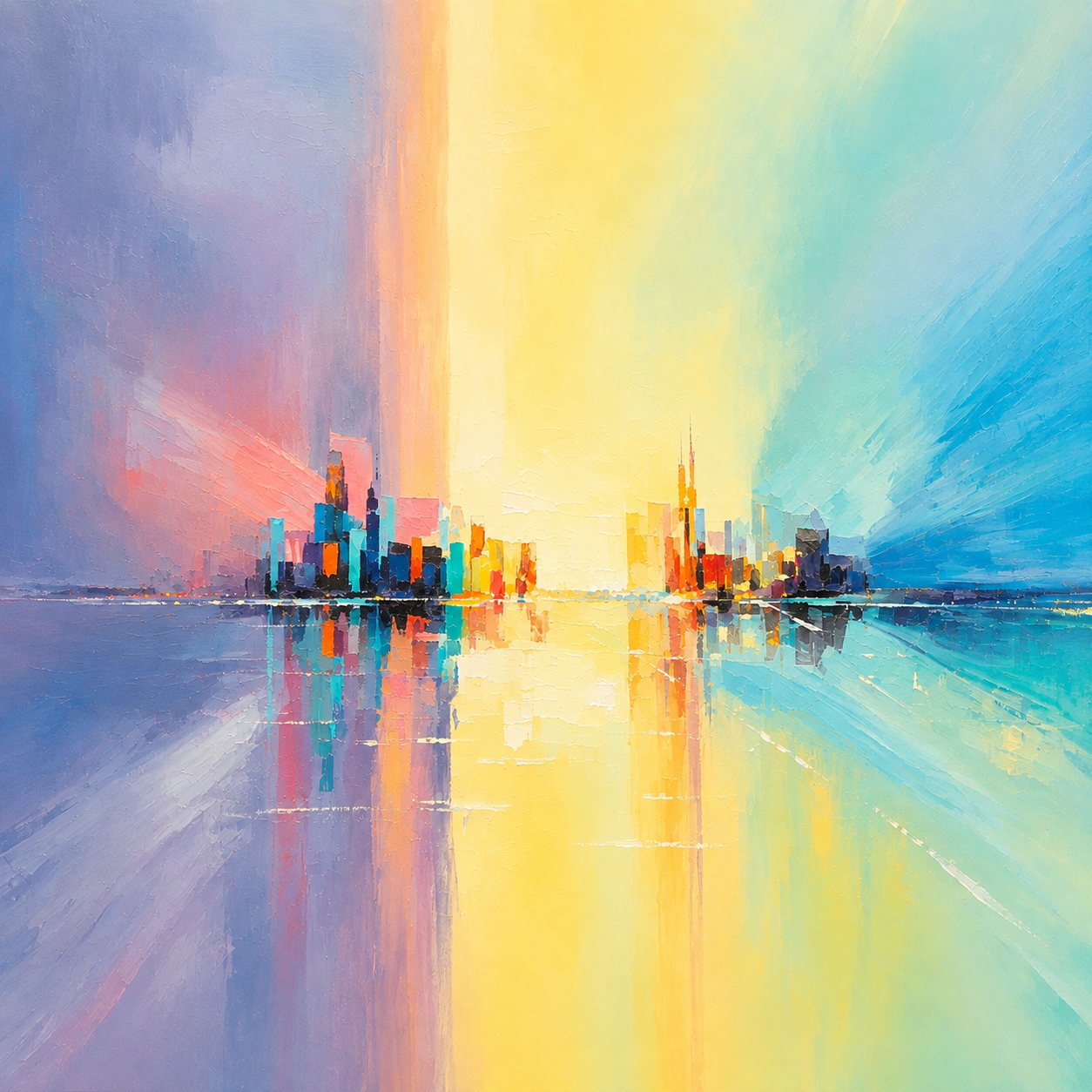
These elements can create a strong sense of depth. A street receding into the distance can make the scene feel more immersive, while a broad skyline creates a greater sense of openness. Even in abstract cityscapes, simplified architectural forms can give the artwork visual structure without making it feel rigid.

Color Shapes the Mood
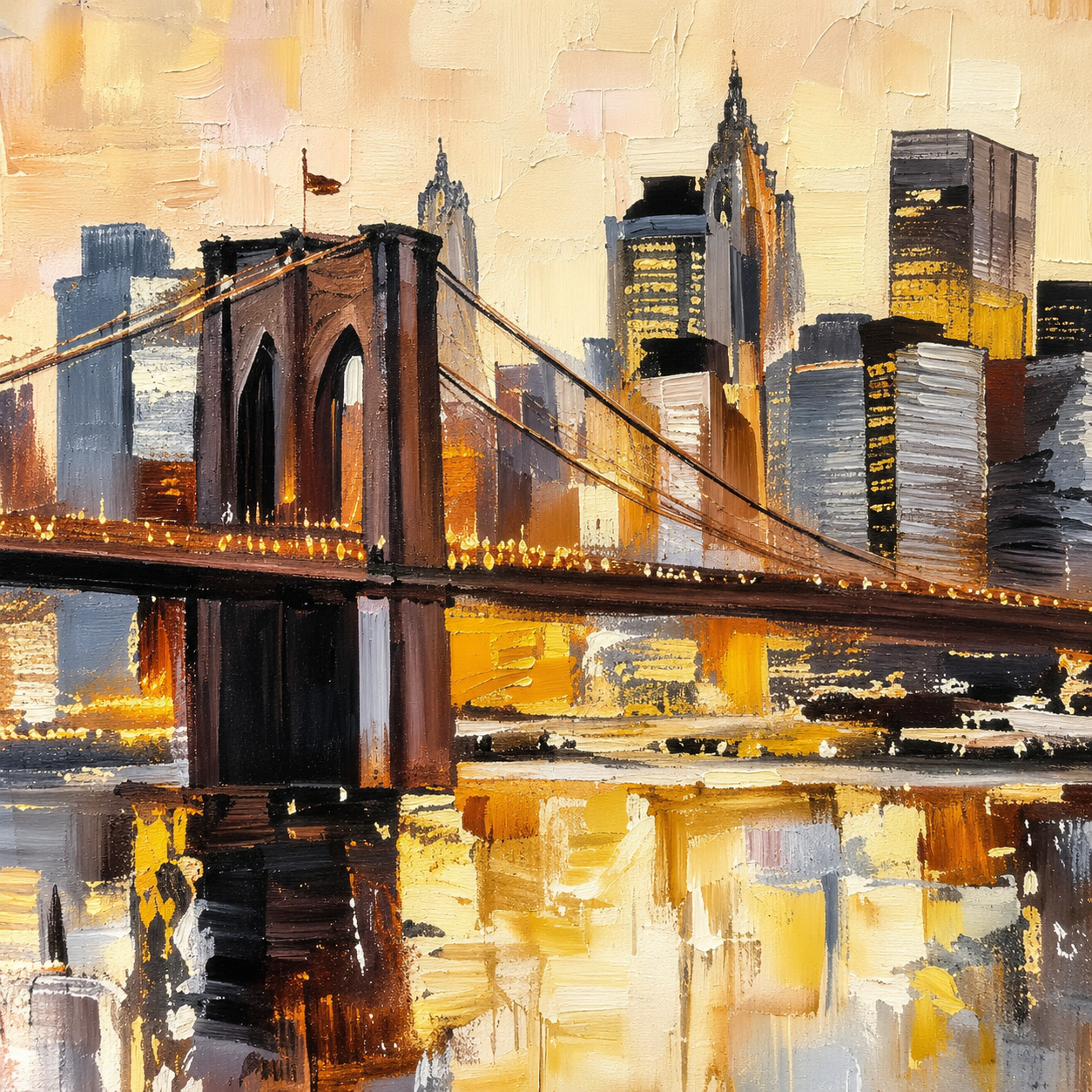
Color has a significant influence on the atmosphere created by a cityscape. Warm tones such as beige, ochre, orange, and muted red tend to feel inviting and comfortable. Blues, grays, and deeper tones often create a cooler, more atmospheric urban mood.
Contrast matters as well. Strong combinations of light and dark or bright accent colors introduce energy, while softer, muted palettes produce a quieter and more relaxed effect.

Light Brings the City to Life
Light can transform the character of an urban scene. Illuminated windows, glowing skies, streetlights, and reflections introduce movement and soften the geometric forms of buildings.
This is particularly noticeable in evening and nighttime cityscapes, where small areas of light can create contrast and visual depth. In warmer scenes, sunlight and reflections can make the same architectural subject feel softer and more inviting.

Scale and Composition Influence the Space
The proportions of a cityscape also affect how it interacts with an interior. Horizontal compositions emphasize the width of a skyline and can create a more expansive feeling, while vertical compositions reinforce the height of buildings and draw the eye upward.
Larger cityscape paintings naturally have a stronger presence, allowing architectural forms, color, and texture to become part of the overall visual character of the room.

More Than an Urban View
The impact of cityscape wall art comes from more than the city itself. Architecture creates structure, perspective creates depth, color establishes mood, and light adds atmosphere.
Together, these elements allow cityscape art to bring different qualities to an interior—from energetic and contemporary to warm, sophisticated, or quietly atmospheric.

Leave a comment
This site is protected by hCaptcha and the hCaptcha Privacy Policy and Terms of Service apply.