From Petals to Paint: How Artists Interpret Flowers
Flowers are one of the most familiar subjects in art, yet no two floral paintings need to look alike. Rather than simply reproducing what exists in nature, artists can use flowers as a starting point to explore color, movement, texture, and form.
From loose brushwork to heavily textured petals, the way flowers are painted can completely change how we experience them.

Loose and Expressive
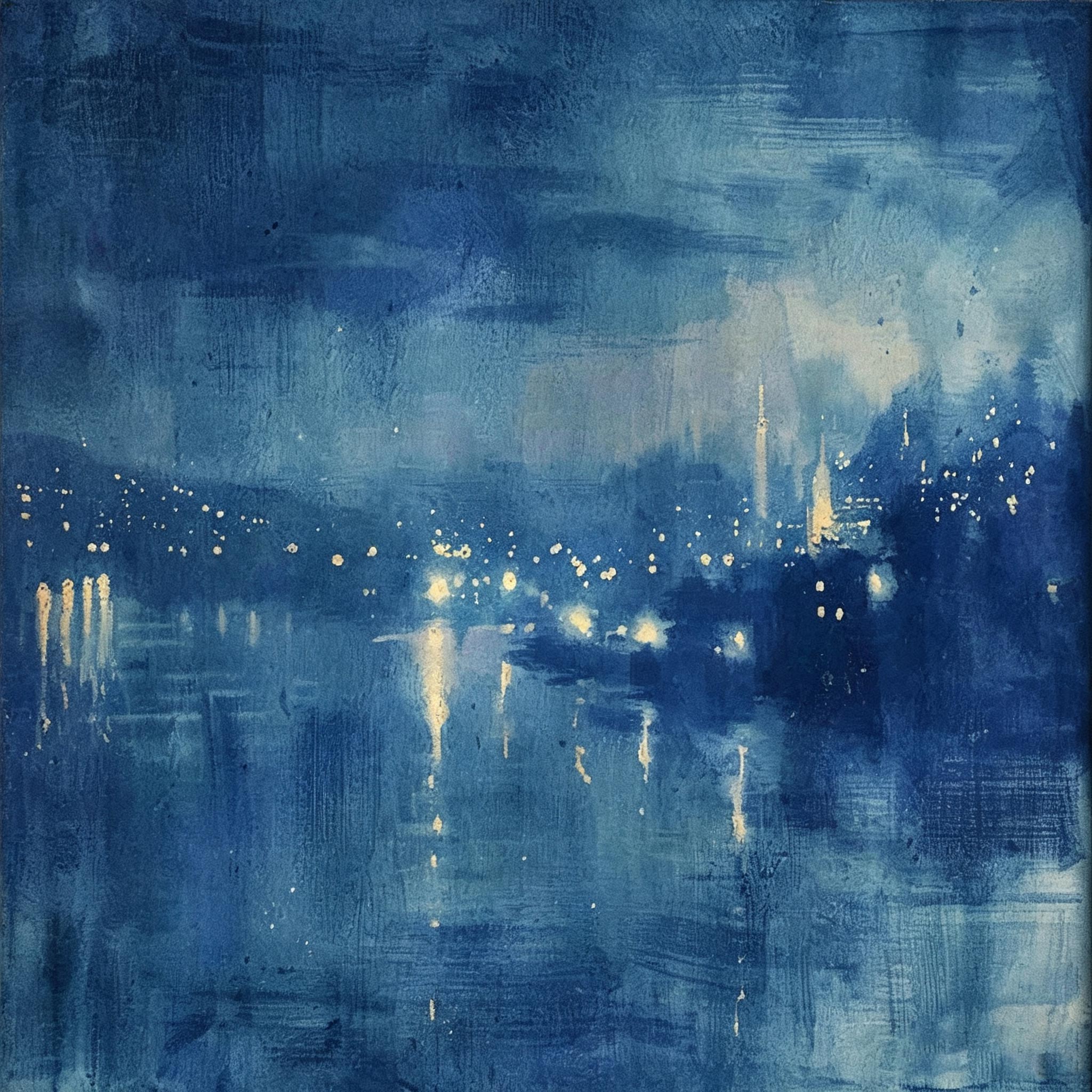
A flower does not need every petal to be carefully defined. With loose, visible brushstrokes, artists can suggest its shape while capturing a greater sense of movement and spontaneity.
Soft edges, overlapping colors, and gestural marks often make these paintings feel lively and natural—as though the flowers are still moving in the breeze.

Texture as Part of the Flower
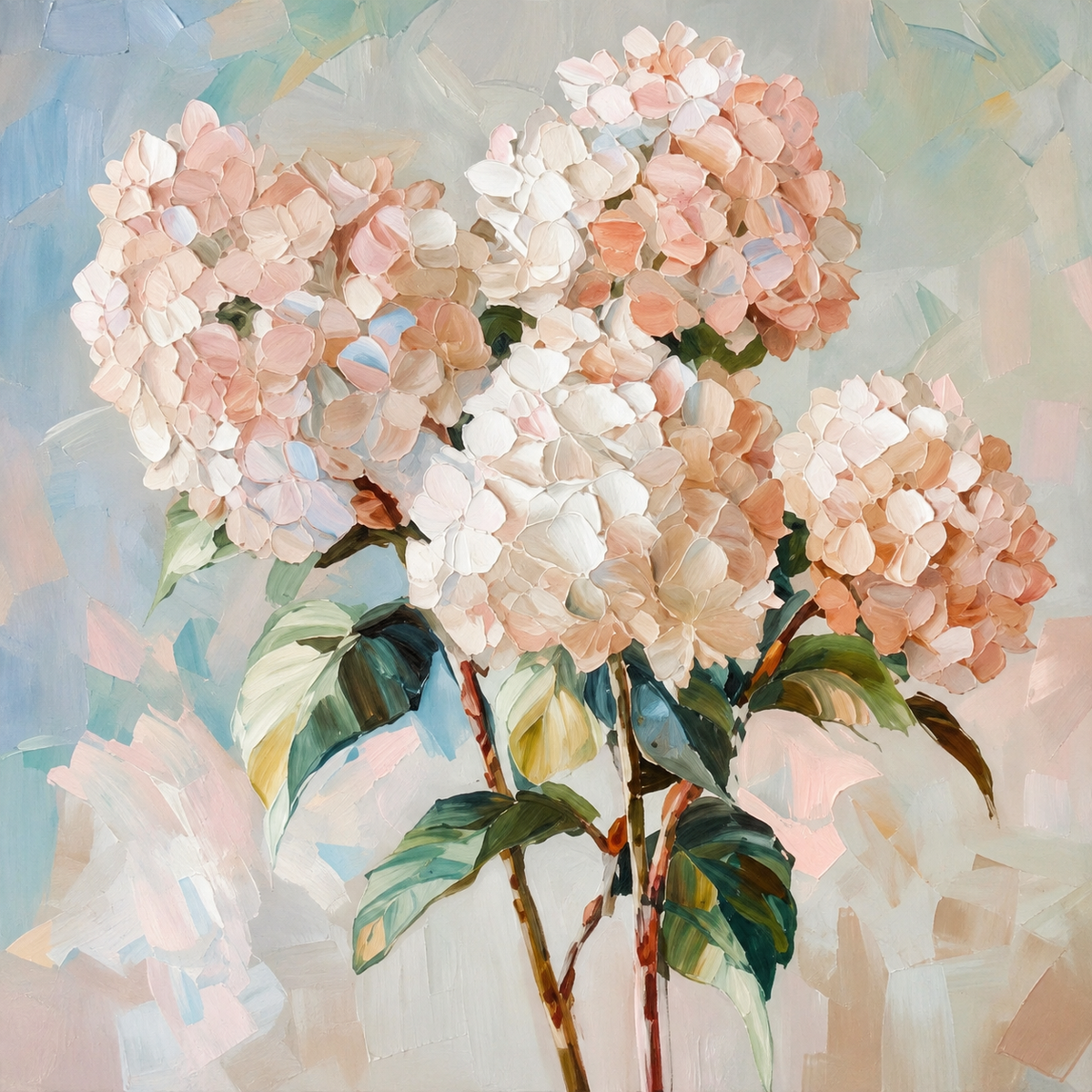
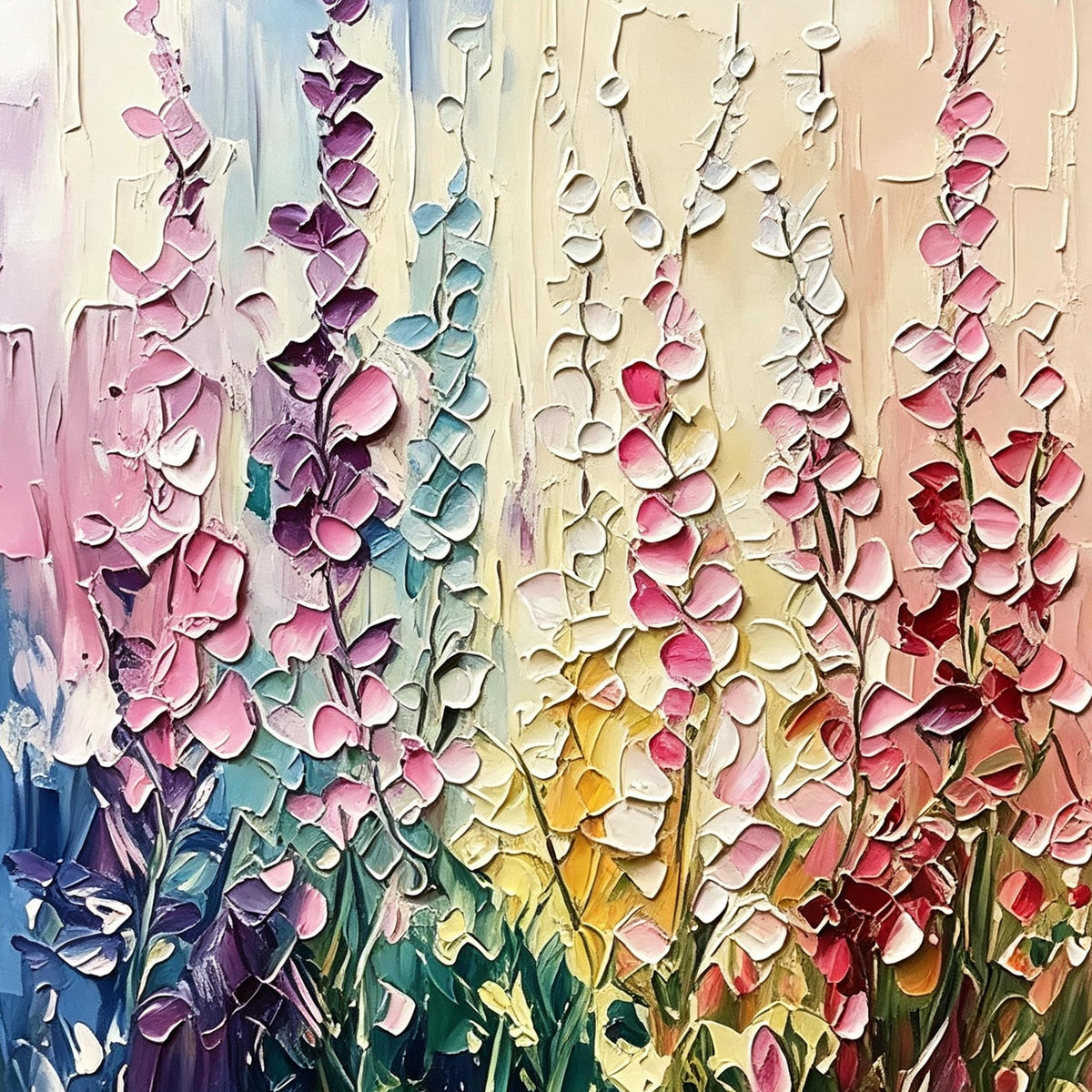
Texture can give floral art an entirely different presence. Thick applications of paint and layered brushstrokes create raised surfaces that emphasize the shapes of petals, leaves, and stems.
As light moves across the painting, these textured areas create subtle highlights and shadows. The result is a floral composition that feels almost sculptural, where the physical quality of the paint becomes part of the artwork itself.

Simplifying the Natural Form
Some artists move in the opposite direction, reducing flowers to simple shapes, lines, and areas of color. Details become less important, allowing the overall composition to take center stage.
A few curved lines might suggest stems, while broad strokes of color become petals or leaves. This simplified approach can give floral art a clean, contemporary character while keeping its connection to nature.

Somewhere Between Real and Abstract
Many floral paintings exist somewhere between representation and abstraction. The flowers remain recognizable, but their proportions, colors, or forms may be exaggerated or loosely defined.
This balance gives artists freedom to move beyond what a flower actually looks like and focus instead on the feeling it creates.
That freedom is part of the enduring appeal of floral art. Through brushwork, texture, color, and abstraction, a familiar bloom can be interpreted in countless ways—each revealing something different through paint.