Beyond the Brushstroke: How Texture Brings a Painting to Life
Texture adds a physical presence that goes beyond color and composition. From subtle brush marks to thick, sculptural layers of paint, it can shape the way an artwork catches light, creates depth, and reveals traces of the artist’s process.

When Paint Becomes Part of the Surface
In textured art, paint does more than create an image—it becomes part of the visual experience.
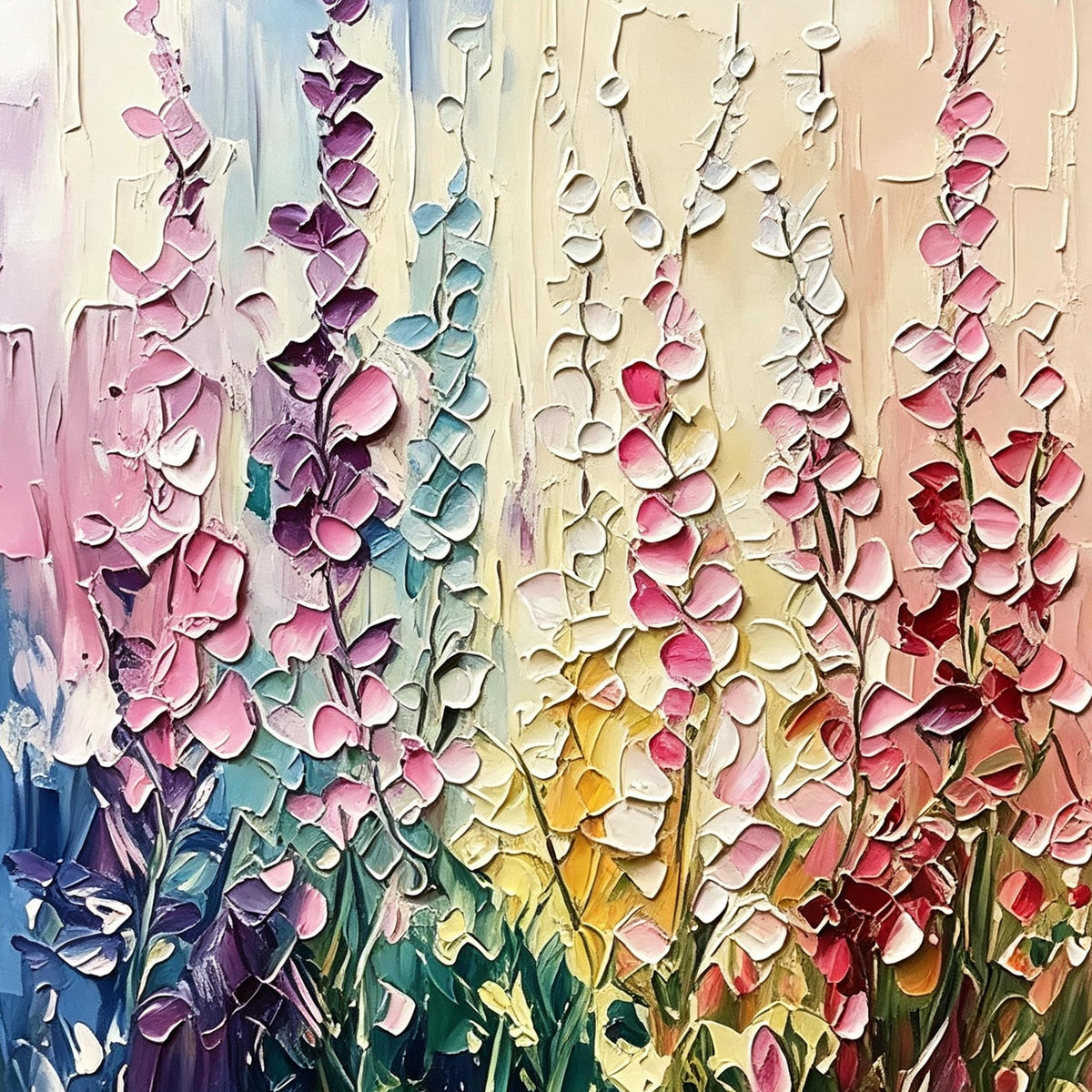
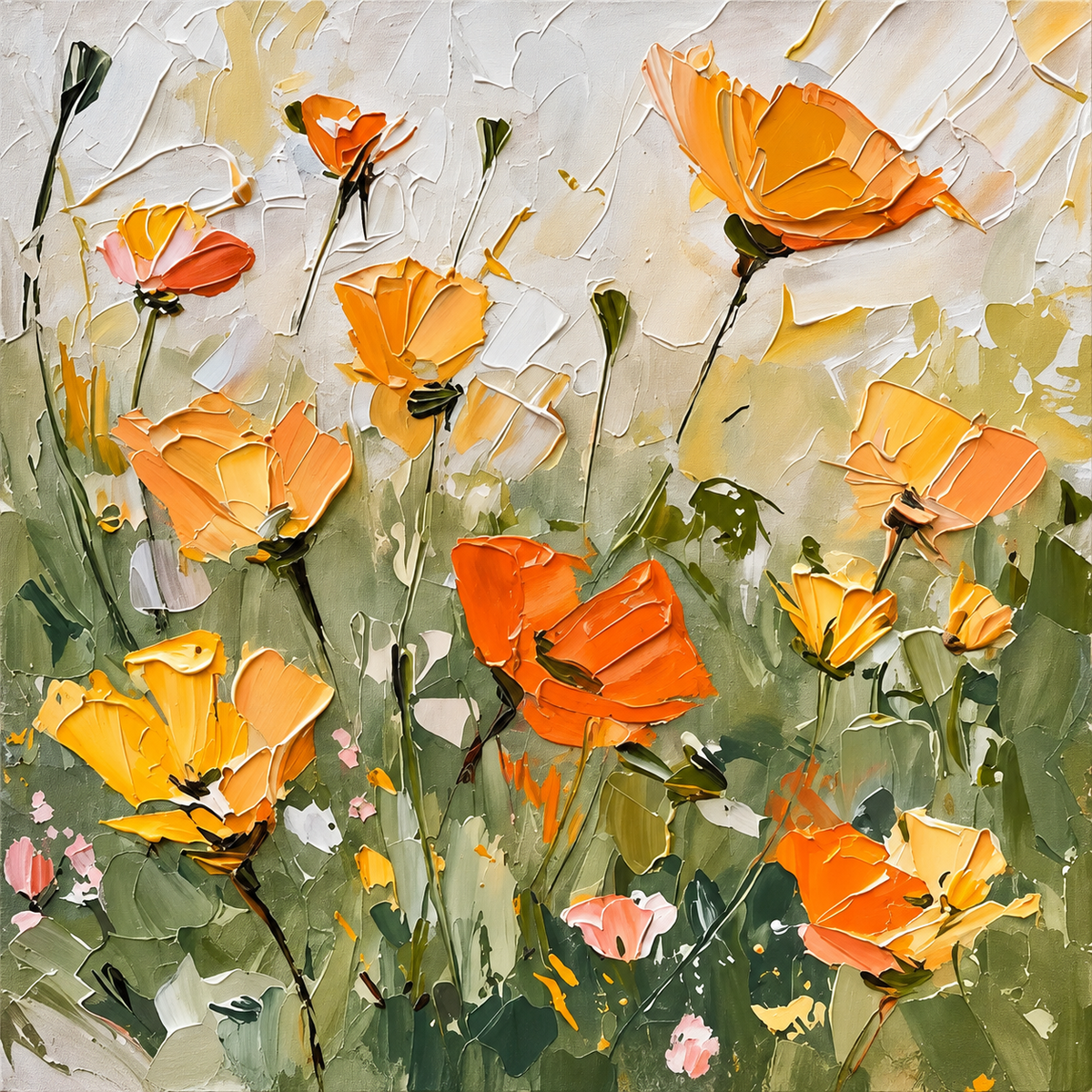
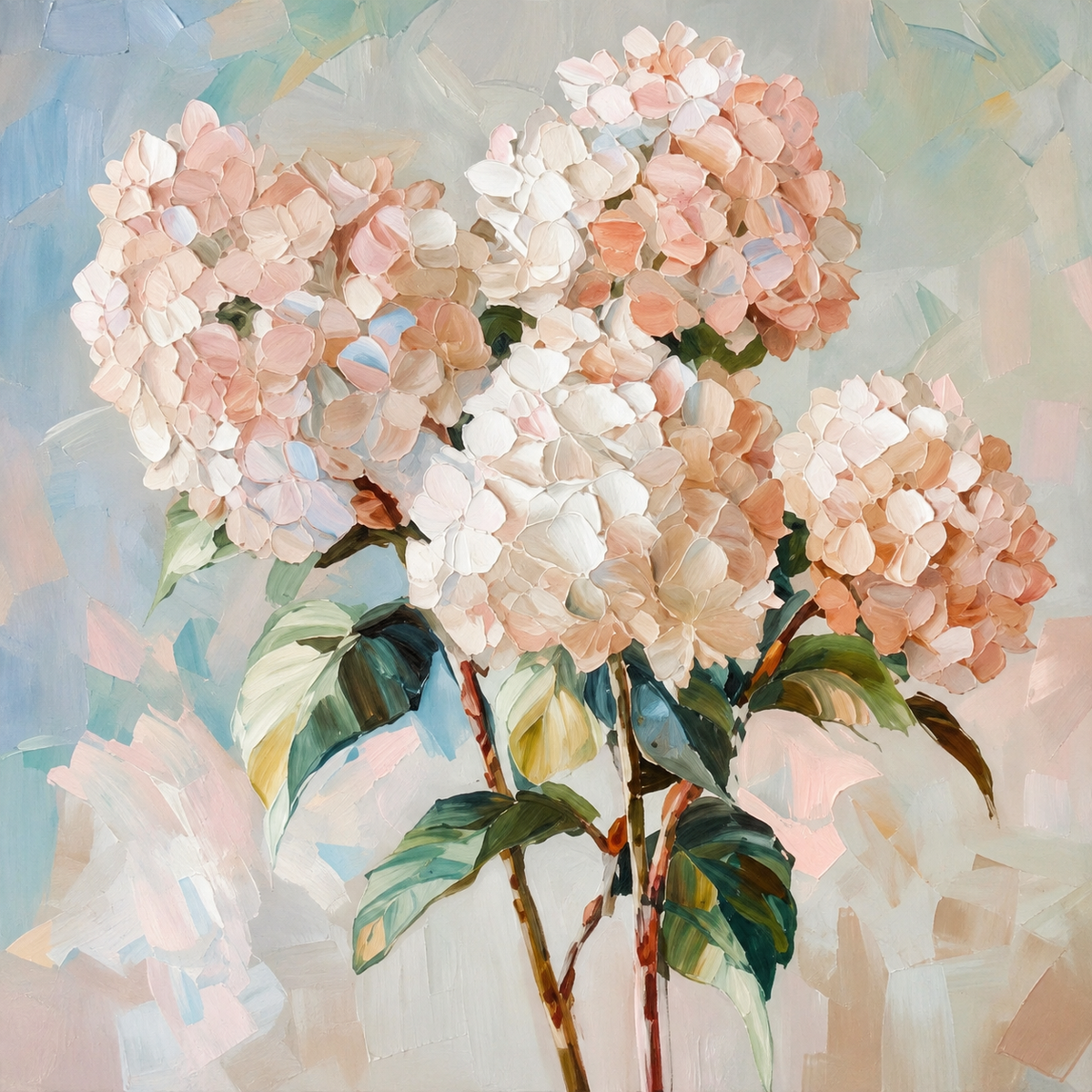
Raised strokes, scraped areas, and layered applications create subtle variations across the canvas. These irregularities give the artwork depth and dimension, allowing certain forms and details to stand out from the surrounding surface.

How Texture Interacts with Light
One of the most distinctive qualities of textured art is the way it responds to light.
Raised areas catch highlights while deeper areas create small shadows, bringing out details that may be less noticeable from another angle. As natural light shifts throughout the day, the texture can appear more pronounced or more subtle.
The artwork remains the same, but the way we experience its surface can continually change.

Traces of the Artist's Hand
Texture can also reveal traces of the painting process. A palette-knife stroke, a sweep of thick paint, or an uneven edge captures the movement behind each mark.
Rather than smoothing away these gestures, artists can leave them visible as part of the finished work. They offer a glimpse into how the painting was built, layer by layer, and give the artwork a distinctly handmade character.

Creating Depth Without Realistic Detail
Texture does not need realism to create a sense of depth.
In abstract and semi-abstract paintings, layers of paint can separate forms, emphasize particular areas, or guide the eye across the composition. Even without clearly recognizable subjects, changes in thickness and surface can give the artwork structure and visual rhythm.

More Than Something You See
Perhaps this is what makes textured art so visually engaging: it exists somewhere between image and object.
Color may catch the eye first, but raised surfaces, shifting shadows, and visible marks invite a closer look. Texture gives a painting a physical quality that becomes more apparent the longer you look, adding another dimension to the experience of the artwork.