Article: How Palette Knife Texture Transforms Landscape Painting
How Palette Knife Texture Transforms Landscape Painting
Landscape painting has long been a way for artists to interpret the natural world. With a palette knife, the landscape takes on a more tactile and expressive quality. Working with a palette knife allows artists to spread, scrape, and layer paint across the canvas, turning mountains, fields, water, and sky into areas of color and texture.
The result is a landscape that feels less like a precise record of a place and more like a painterly response to it.

Building the Landscape in Layers
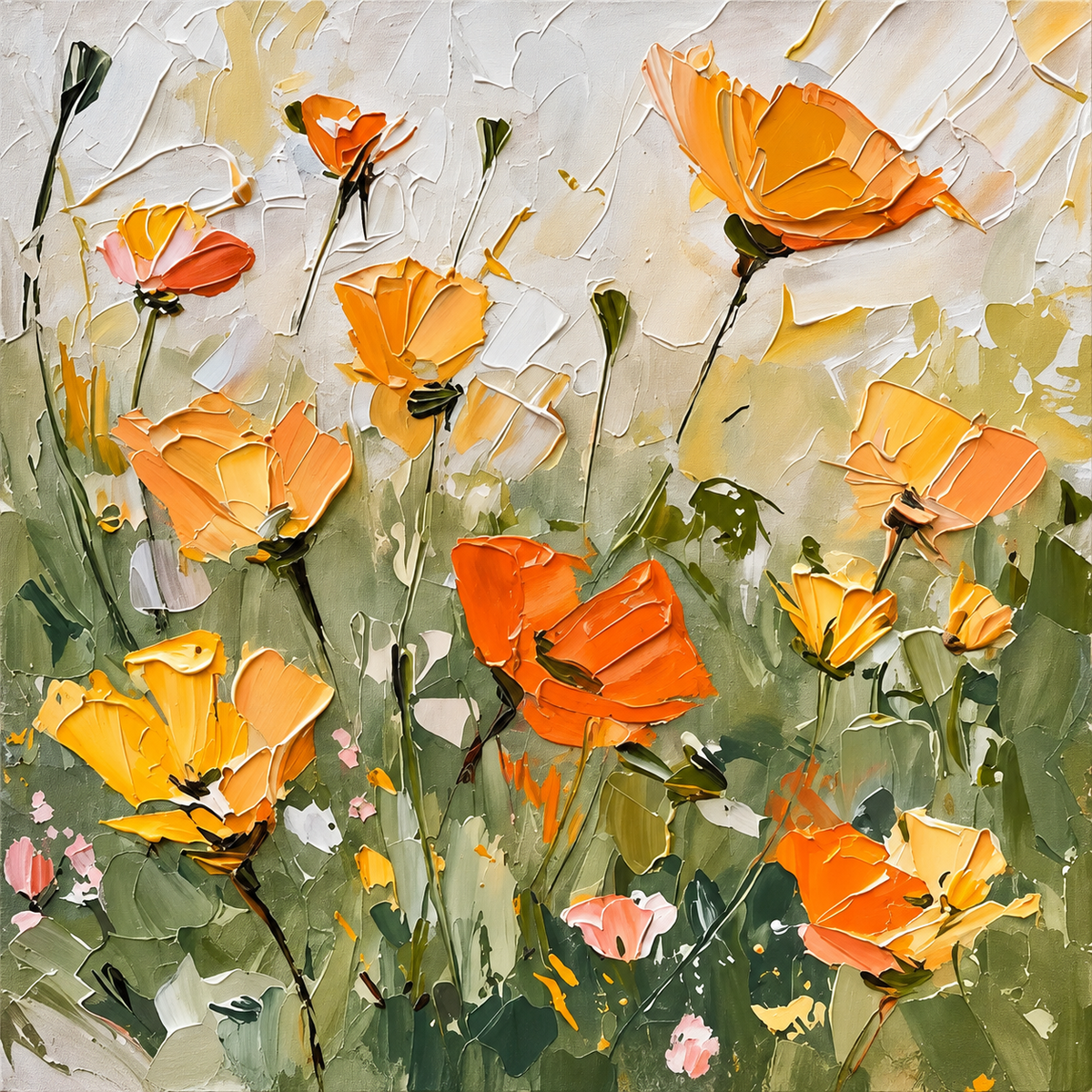
A palette knife allows paint to be applied in broad, visible layers. Rather than carefully blending every transition, artists can place one color against another or add fresh marks over an existing surface.
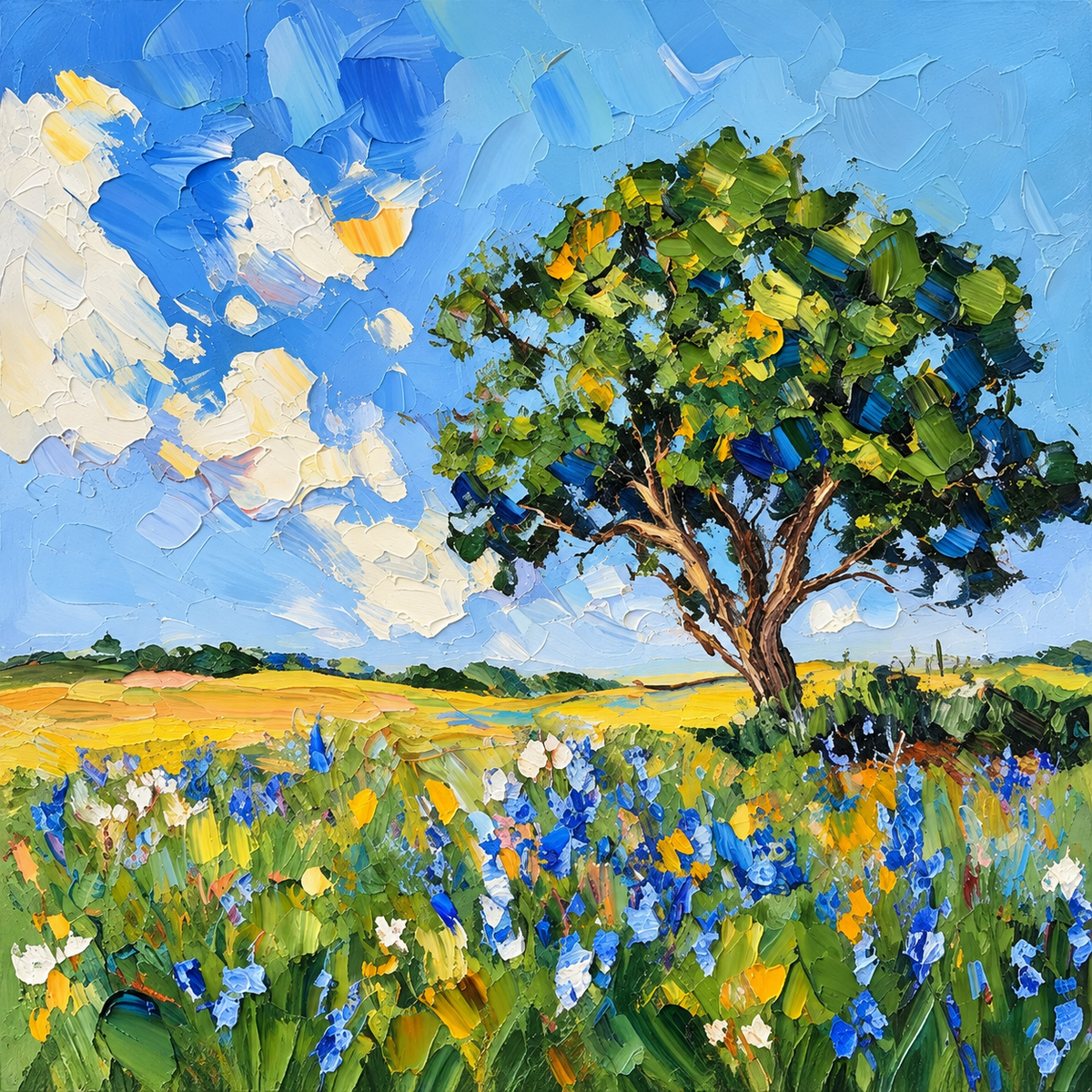
This approach works especially well in landscapes, where natural forms often overlap. Hills rise behind fields, clouds stretch across the sky, and vegetation breaks up the foreground. Layered paint can capture these overlapping forms while keeping the composition loose and expressive.

Turning Simple Marks into Natural Forms
One of the distinctive qualities of palette knife painting is how much can be suggested with relatively simple marks.
A long horizontal scrape might describe an open field or distant shoreline, while a thicker, uneven edge can suggest a rocky mountain ridge. Shorter, broken marks can suggest grasses, foliage, or reflections on water.
Instead of defining every detail, the artist gives the viewer enough visual information to recognize the landscape while leaving room for interpretation.

Creating a Sense of Distance
Texture can also help establish depth within a landscape.
More pronounced marks in the foreground can make nearby forms feel stronger and more immediate, while thinner, softer applications allow distant hills and skies to recede. Changes in the size, direction, and density of palette knife marks can further separate different areas of the scene.
These variations create a sense of distance even when the landscape itself is simplified.

Between Realism and Abstraction
Palette knife landscapes often sit naturally between representation and abstraction. A mountain, meadow, coastline, or horizon may remain recognizable, while smaller details are reduced to color, shape, and gesture.
This allows the artist to move beyond simply reproducing a view. The marks left by the knife become part of the landscape itself, giving familiar scenery a more expressive and distinctly painterly character.

Palette knife painting does more than add texture to a landscape. Through layered color, broken edges, and visible marks, it offers a more tactile and expressive way of interpreting the natural world.